Photobiomodulation · General wellness
A more complete spectrum.
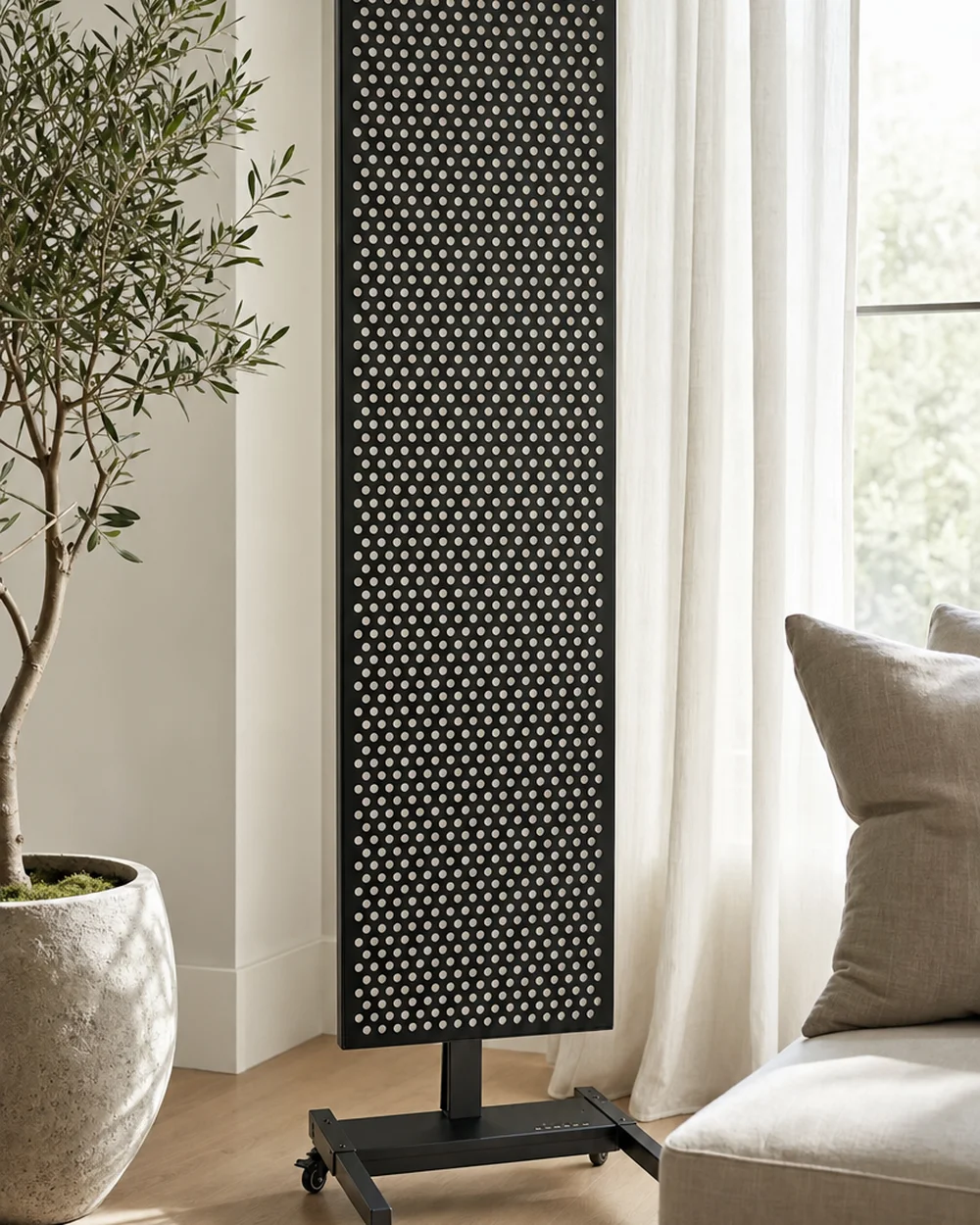
Most panels ship one or two wavelengths. The Rinnovare™ panels carry eight — visible red through near-infrared — behind crystal glass lenses instead of plastic. To our knowledge, the only panels built that way.
610 · 630 · 660 · 810 · 830 · 850 · 940 · 1060 nm
One full-body system. The honest research account is further down this page.
The series
Red Light, Straight — 7 episodes.
The evidence story of this page, told on video — short, sourced, and honest about the limits. Each episode takes one claim from this page and stands it up against the human trials. Watch on YouTube, or read every citation right here below.
 EP 1
EP 1
 EP 2
EP 2
 EP 3
EP 3
 EP 4
EP 4
 EP 5
EP 5
 EP 6
EP 6
 EP 7
EP 7
A Rinnovare Labs™ original series for YouTube. General wellness devices, not cleared medical devices.
The film
Watch: Rinnovare™ Biophotonic Red-Light Therapy at Conscious Life Expo 2025
The full 17-minute Expo presentation — biophotonic red-light therapy and the Marziani InMersion Systems™ Experience, presented by the Grand Canyon Foundation. The same technology family behind the R-100 and R-1000 panels below.
Presented by the Grand Canyon Foundation · Conscious Life Expo, Los Angeles · February 2025 · Watch on YouTube ↗
The film · Part 2
Watch: Rinnovare™ Biophotonic Red-Light Therapy — Expo 2025, Part 2
The continuation — biophotonic red-light therapy and the Marziani InMersion Systems™ Experience, presented by the Grand Canyon Foundation. The same technology family behind the R-100 and R-1000 panels below.
Presented by the Grand Canyon Foundation · Conscious Life Expo, Los Angeles · February 2025 · Watch on YouTube ↗
The film · Expo floor
From the Expo floor — Conscious Life Expo 2025/2026
More from the Rinnovare booth: the full event film, plus the light and sound testimonials recorded on the floor. Filmed at the Conscious Life Expo, Los Angeles.
CLE 2025/2026 · the full event film · Watch on YouTube ↗
Light testimonials · Conscious Life Expo 2026 · Watch on YouTube ↗
Sound testimonials · Conscious Life Expo 2026 · Watch on YouTube ↗
The film · Shorts
From the Expo floor — CLE 2026 Shorts
Short clips from the Conscious Life Expo 2026 booth: group red-light sessions, the Marziani™ 432 Sound bath, the GlutaYouth™ display, and visitors sharing their experience on the floor.
 CLE 1
CLE 1
 CLE 2
CLE 2
 CLE 3
CLE 3
 CLE 4
CLE 4
 CLE 5
CLE 5
 CLE 6
CLE 6
All clips filmed at the Rinnovare booth · Conscious Life Expo, Los Angeles · 2026
The lens
Crystal glass lenses. As far as we know, nobody else builds them.
Every red-light panel we know of — at any price — puts its LEDs behind moulded plastic. The Rinnovare™ panels put theirs behind crystal glass. It is the same reasoning that put glass in camera lenses and laboratory optics: when the job is delivering light, the lens is not a cover; it is part of the instrument.
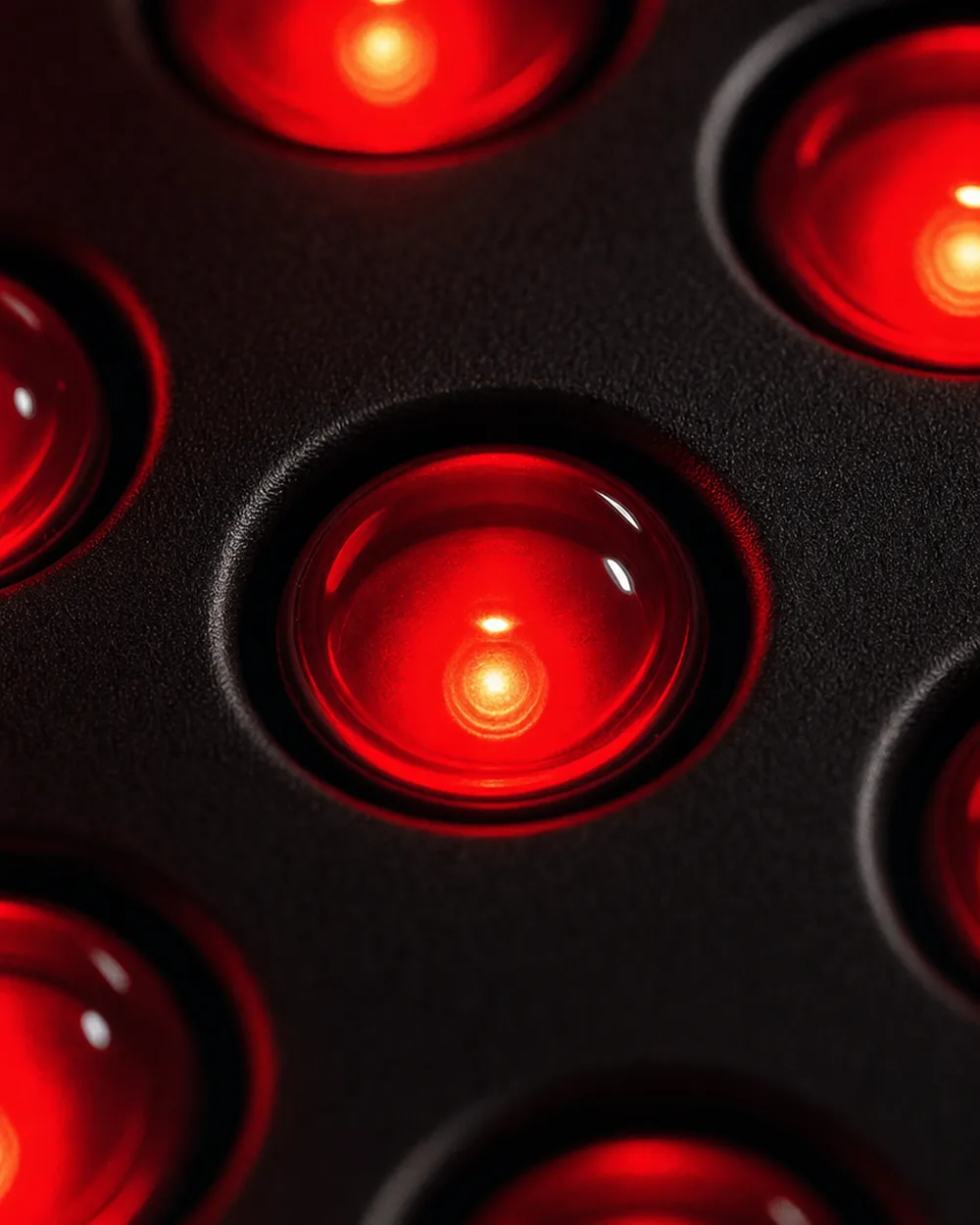
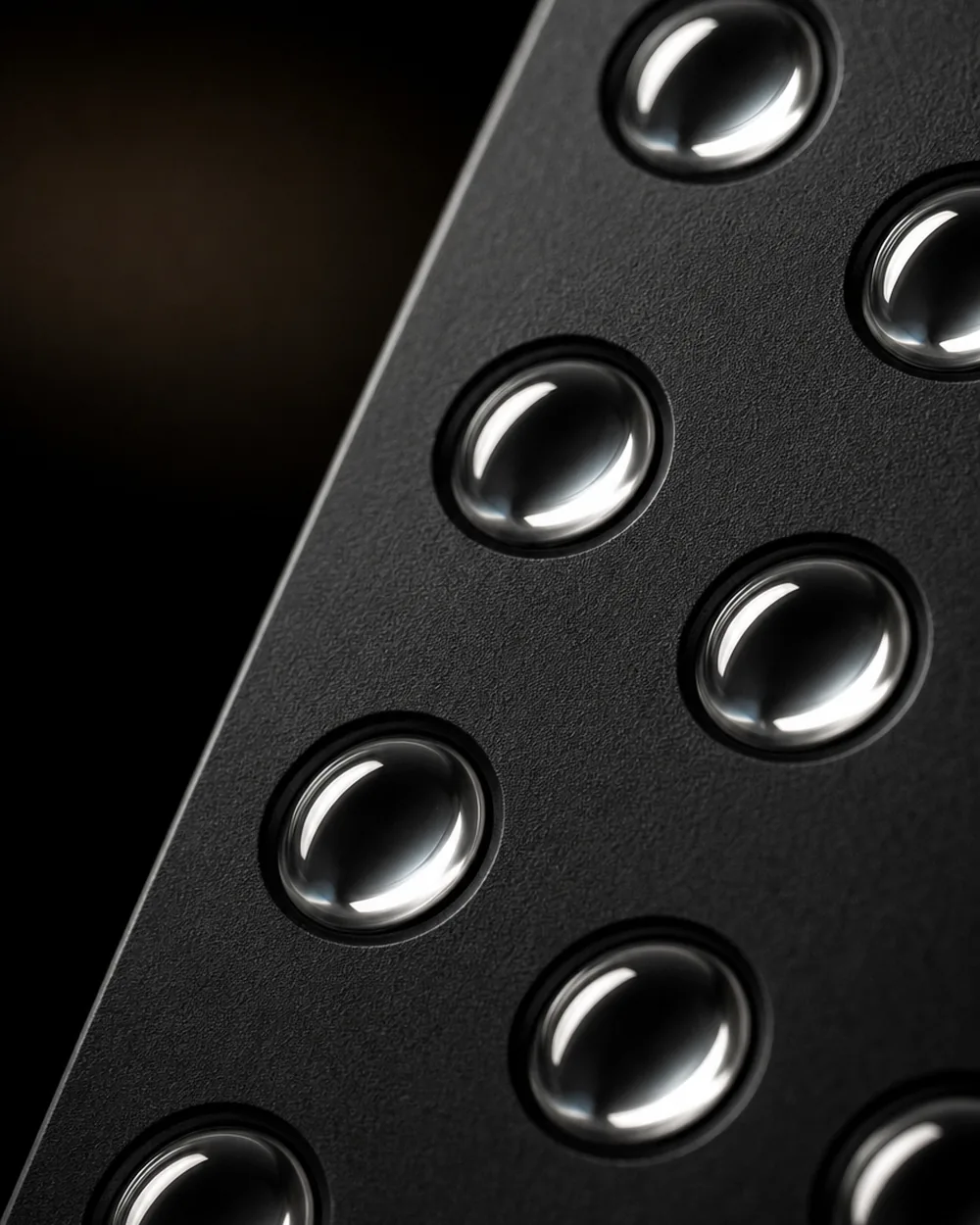
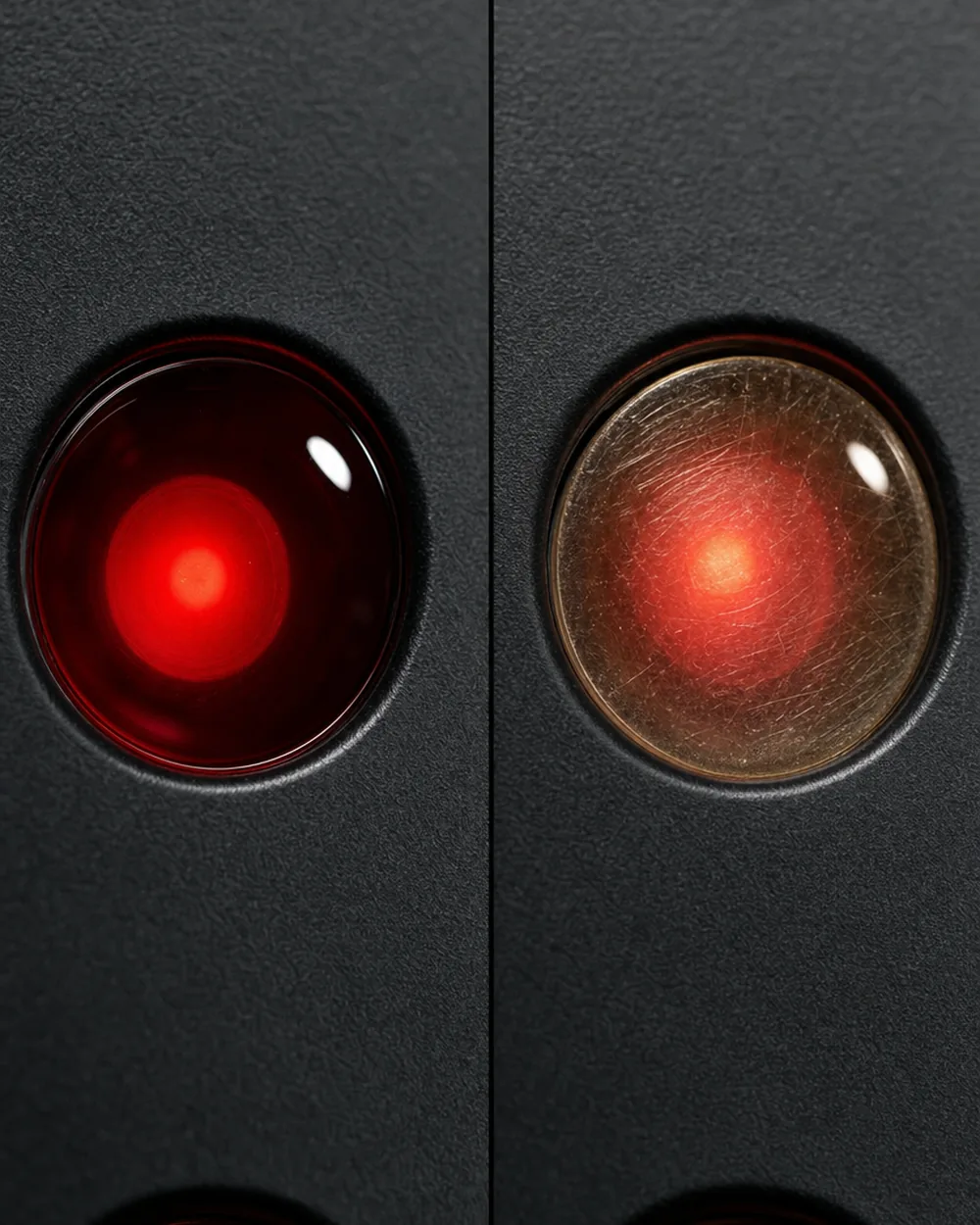
| Crystal glass (Rinnovare™) | Moulded plastic (typical panel) | |
|---|---|---|
| Clarity over time | Glass does not yellow | Polymers can yellow and cloud with heat and age |
| Scratching | Resists routine cleaning | Scratches; swirls accumulate |
| Heat stability | Dimensionally stable in operation | Can warp over the LED array |
| Light path | Set once at assembly | Degrades as the lens ages |
Why "to our knowledge"
We cannot audit every panel on the market, so we say it the honest way: we know of no other maker using crystal glass lenses, and if one exists we would genuinely like to see it. What we can state flatly is what our own panels use — because it is the reason they cost what they cost to build.
The ritual
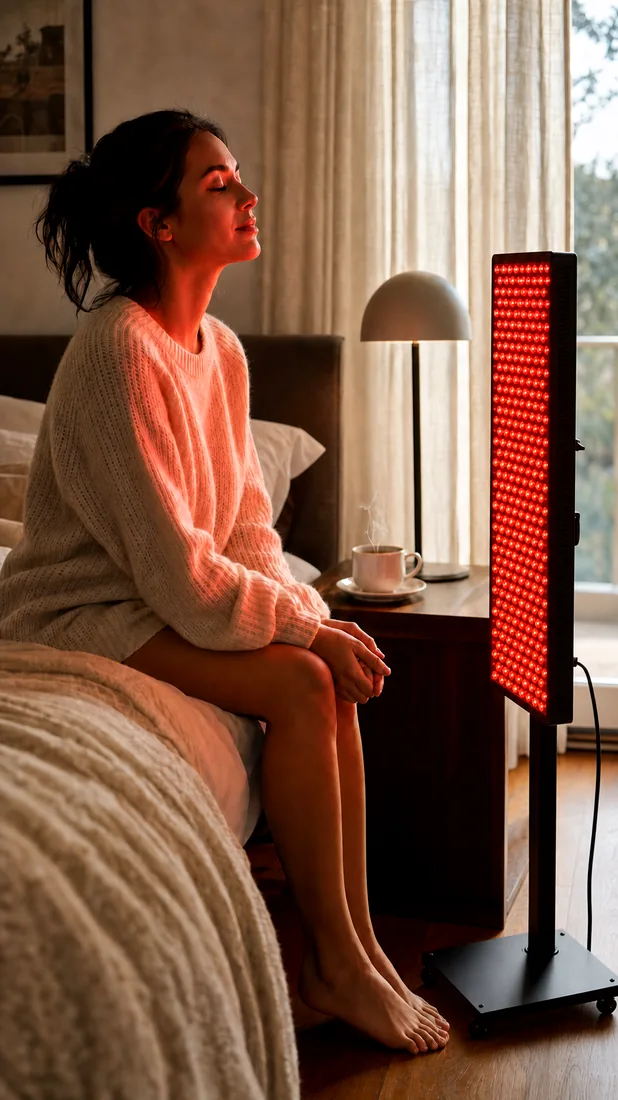
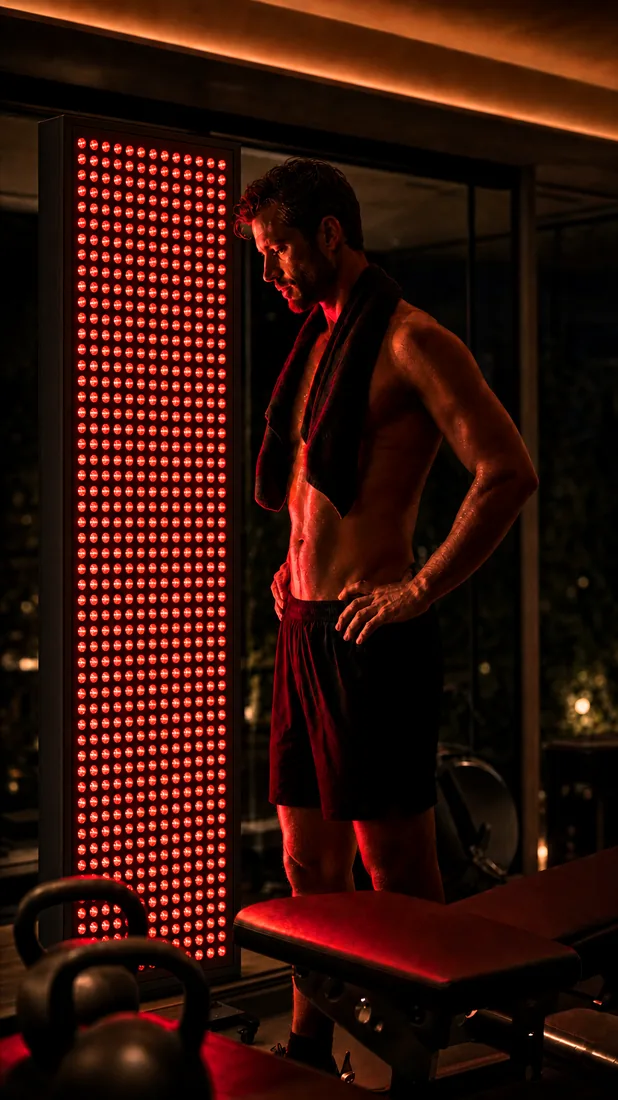
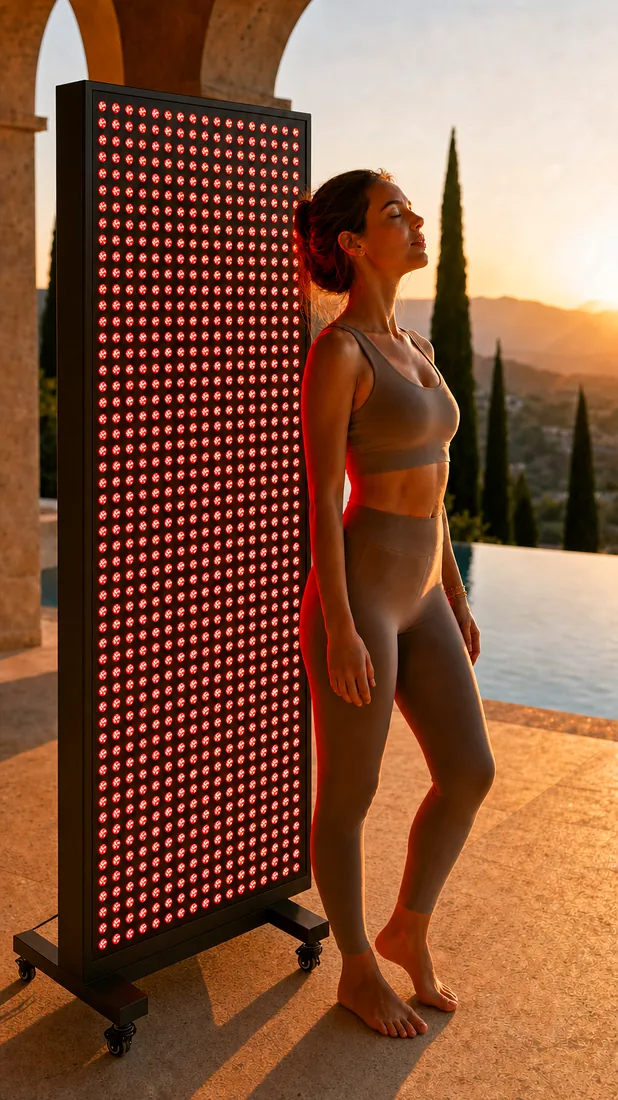
Ten minutes. Yours alone.
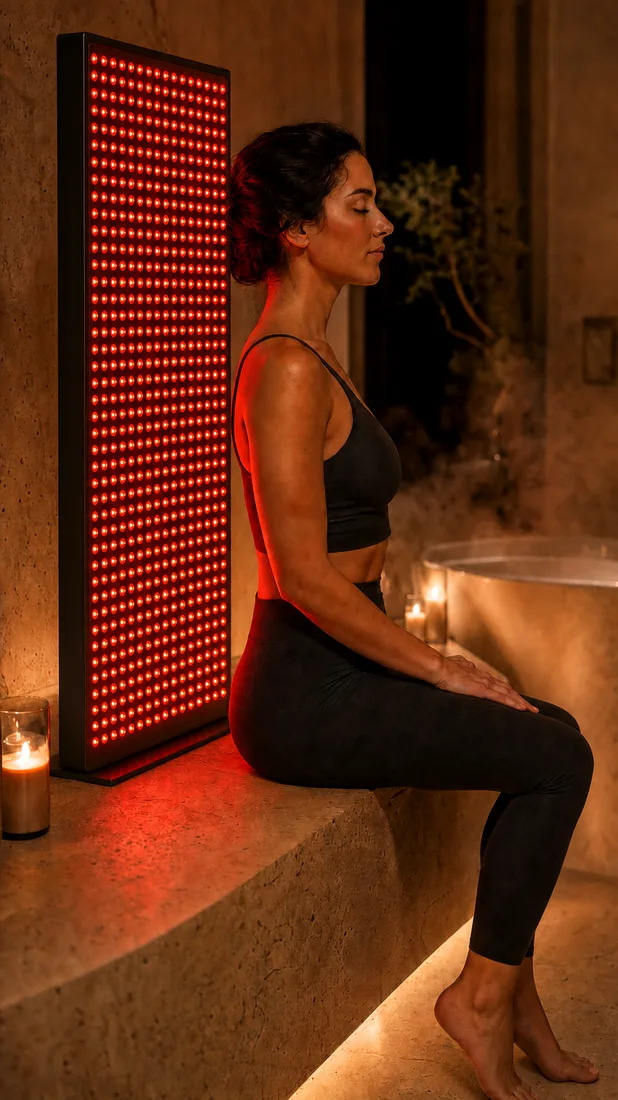
Morning or midnight, before training or before sleep — the panel becomes the warmest light in the room and the quietest ten minutes of your day. No clinic. No queue. Just you, and light.
The programs
The 30 frequency programs.
Every program is a pulsed-light routine built on the eight-wavelength engine. The names are a nod to the compounds our community already loves — the delivery is pure photobiomodulation.
Included on both the R-1000 and the R-100. Select a program on the touch display or remote; the panel handles pulse frequency and session length for you.
On the names
A frequency program does not add, create or deliver any compound. Each one is a defined pulsed-light routine — frequency, duty cycle and wavelength mix — named for the compound it nods to. The light is the therapy; the name is the nod.
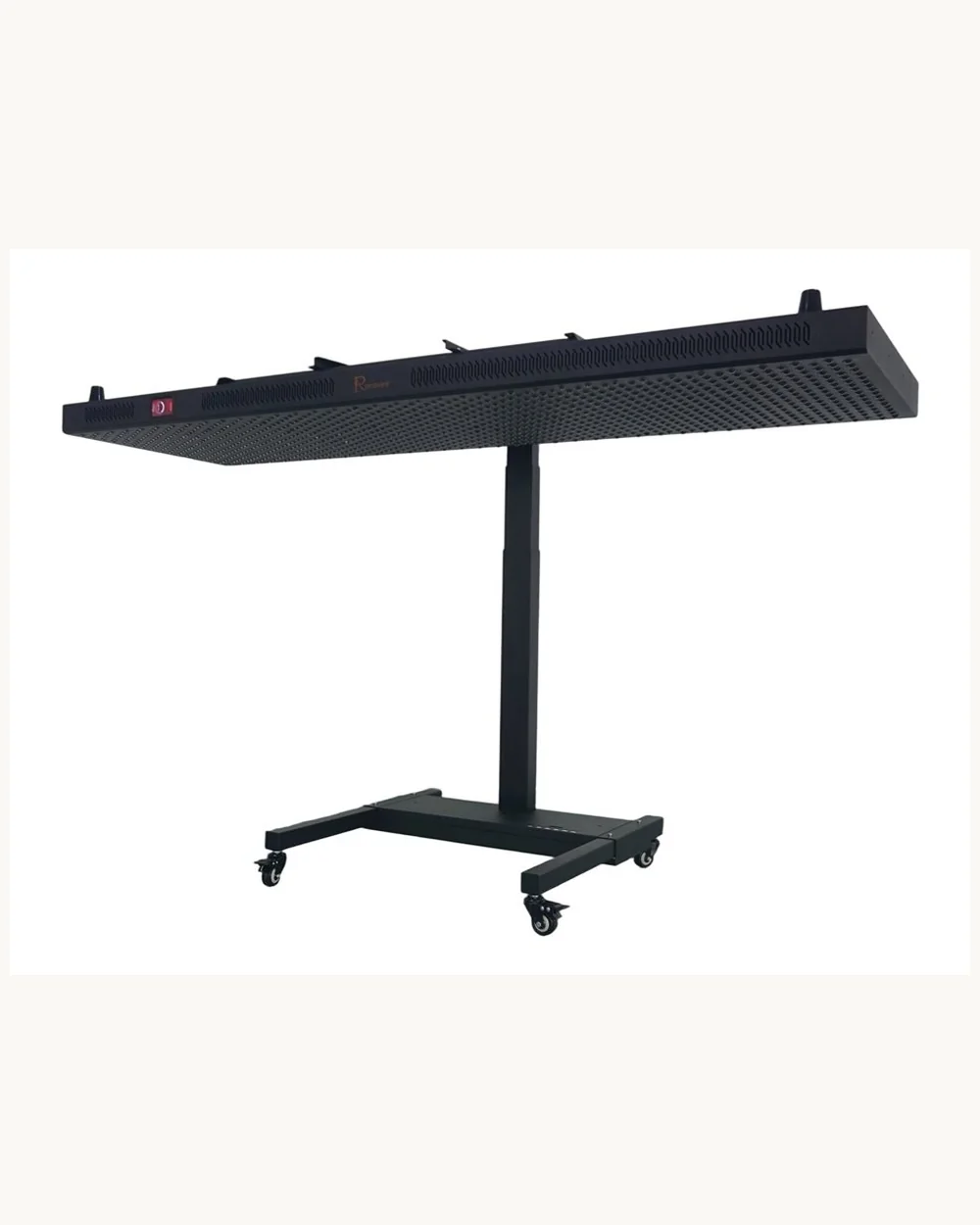
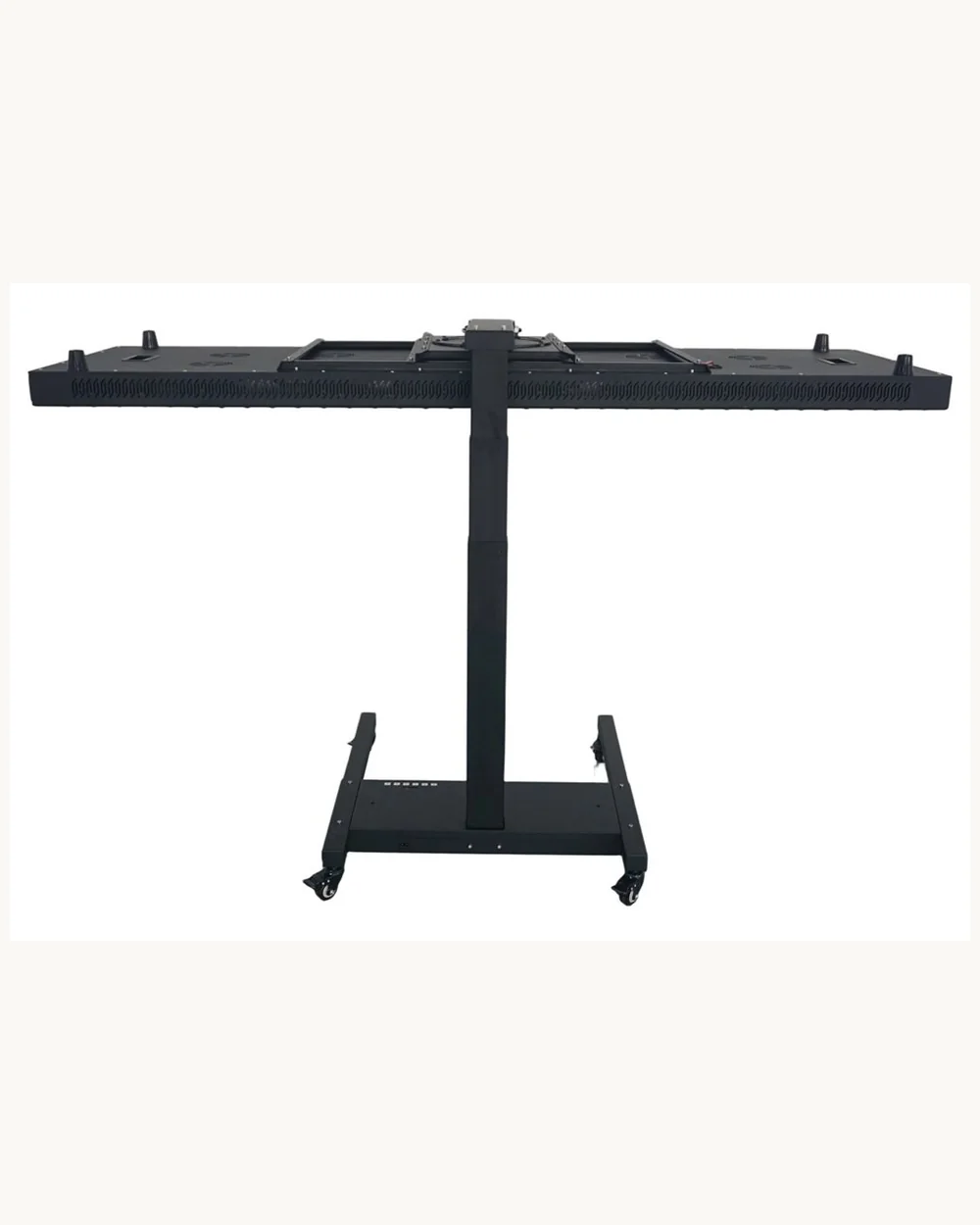
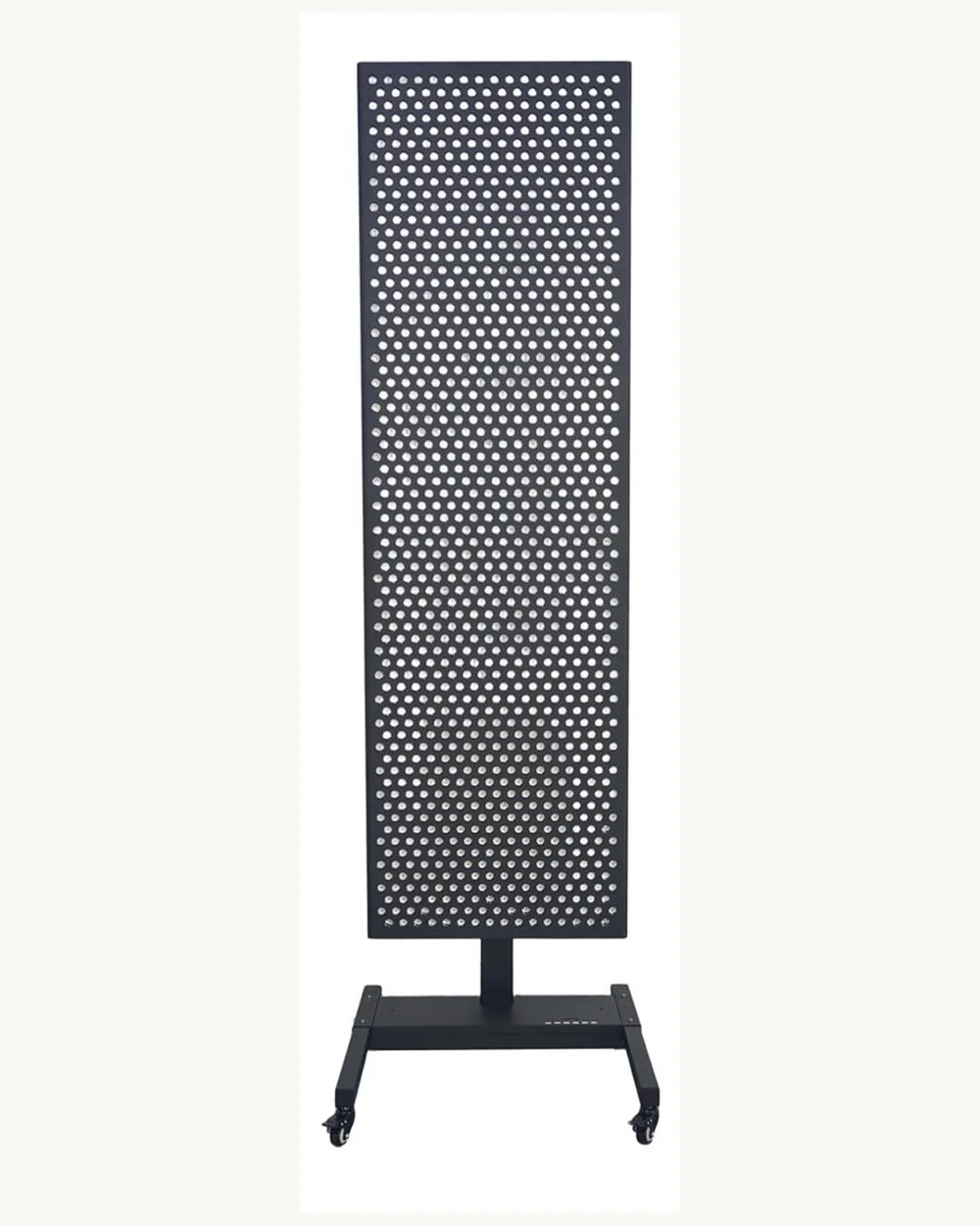
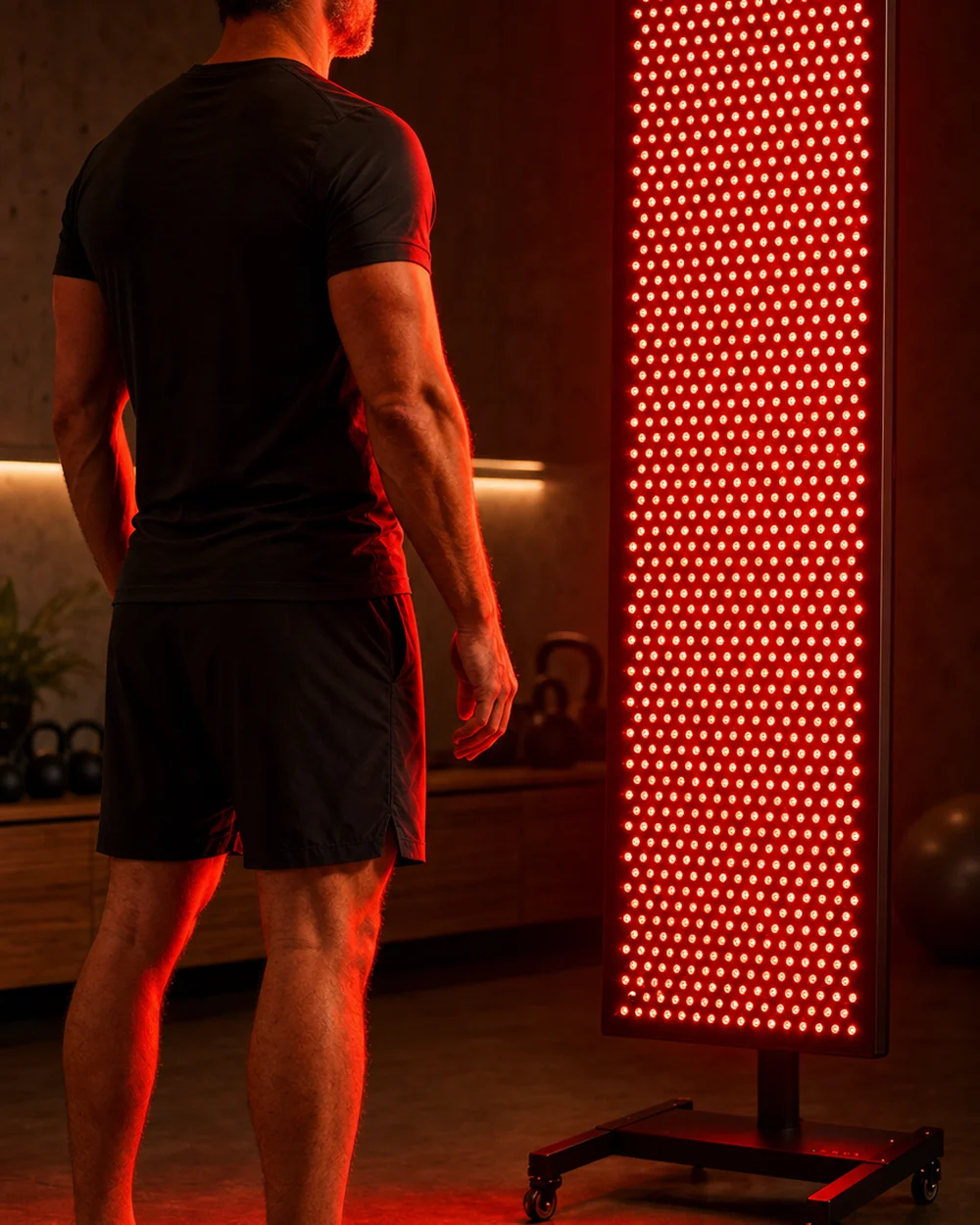
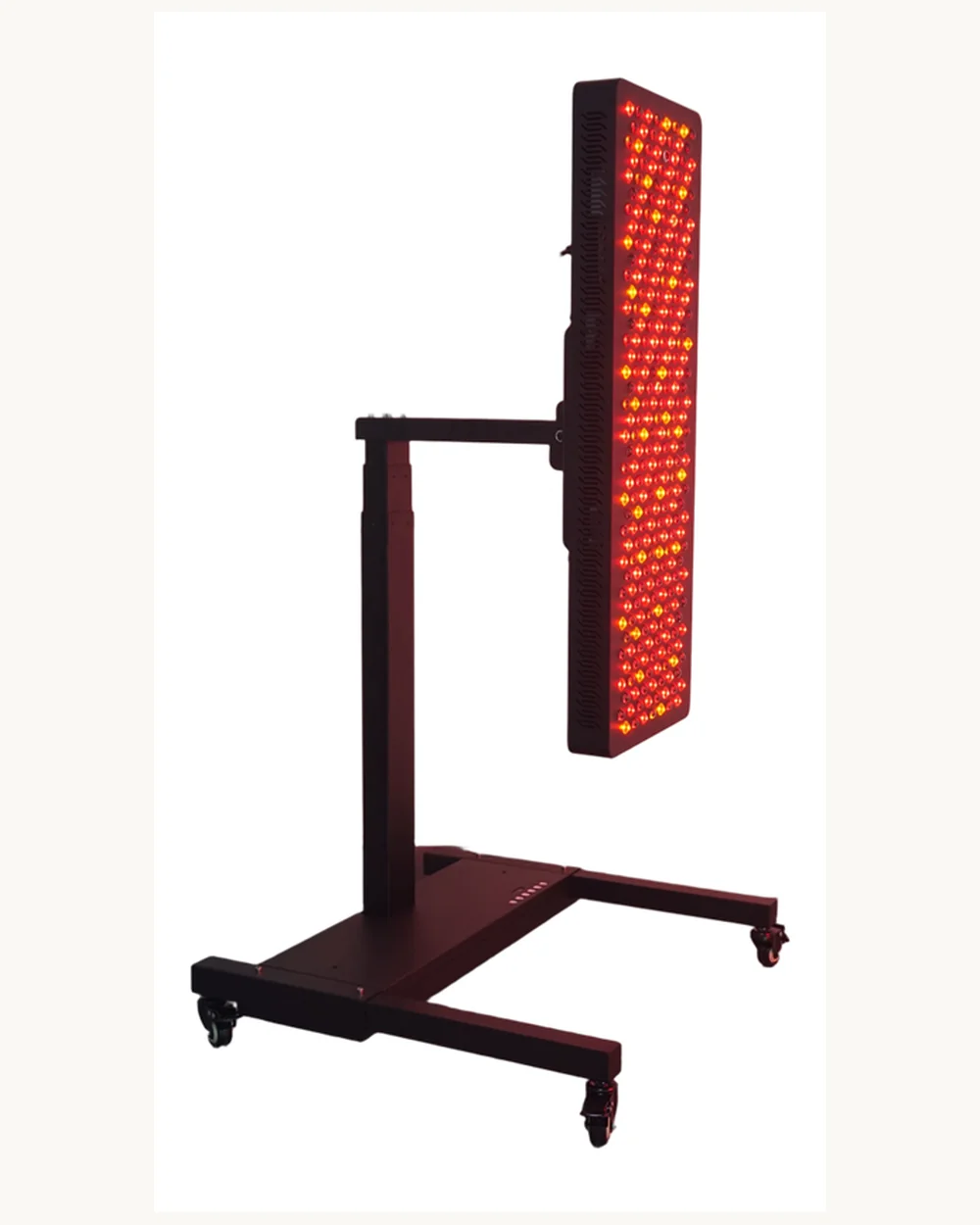
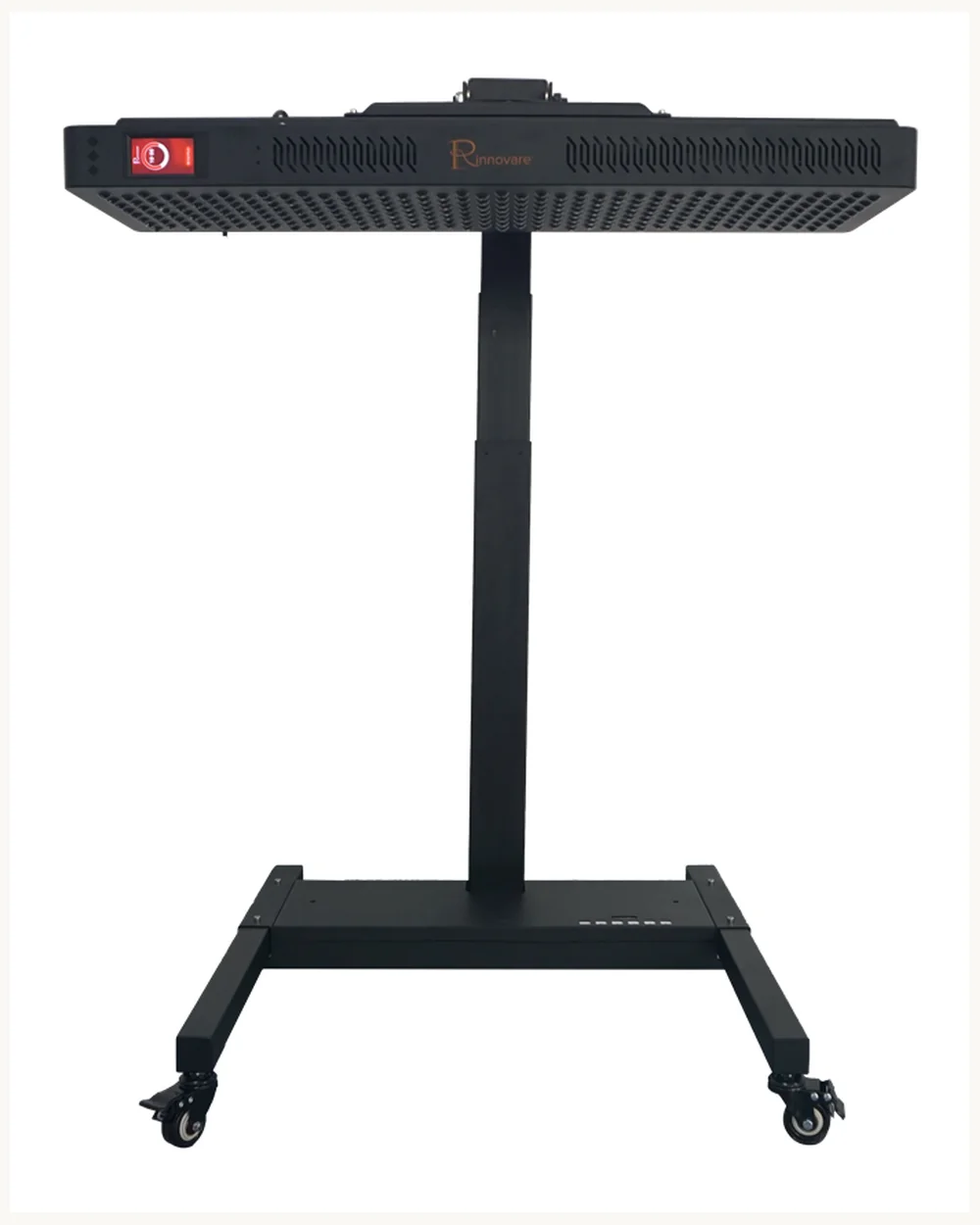
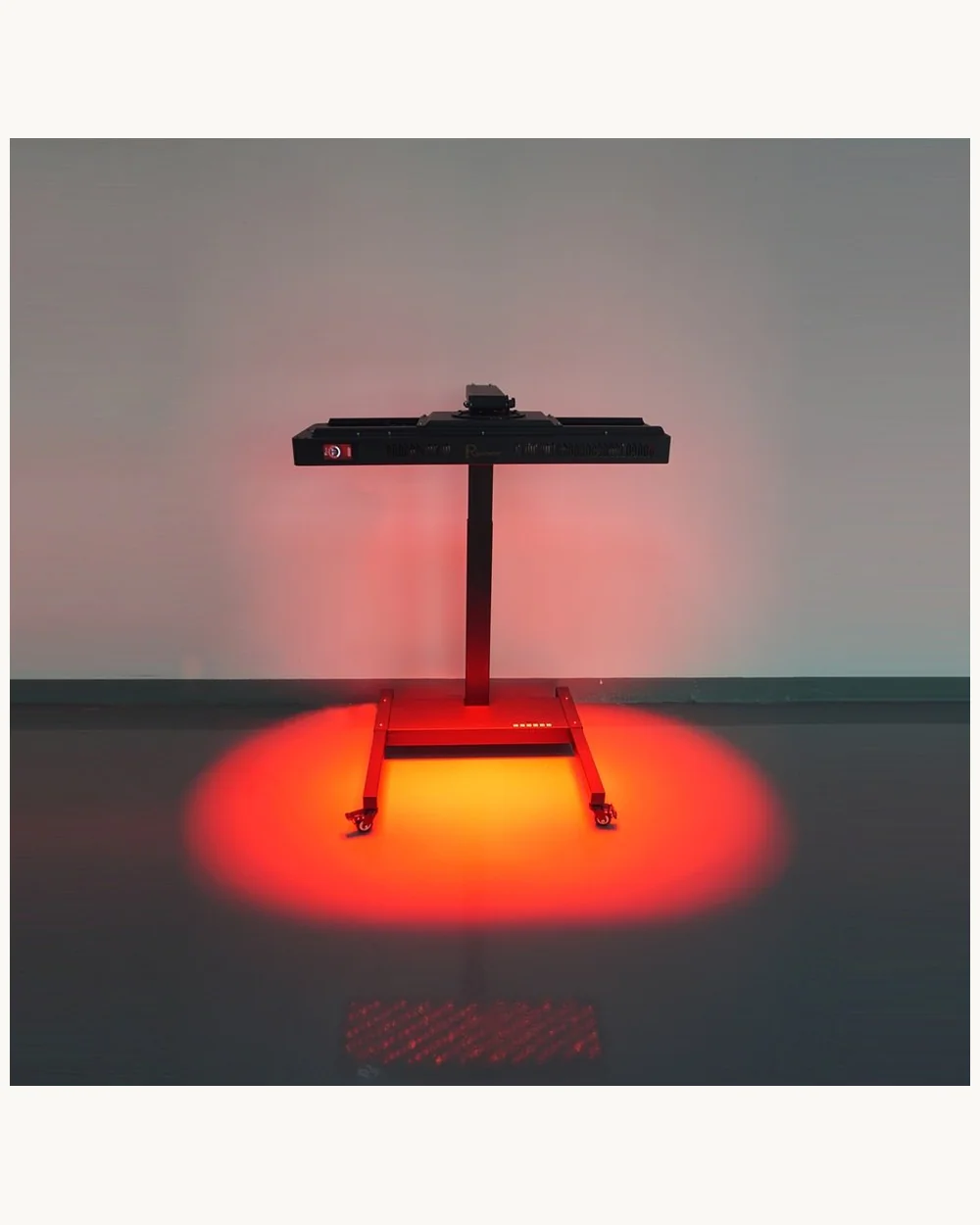
R-1000
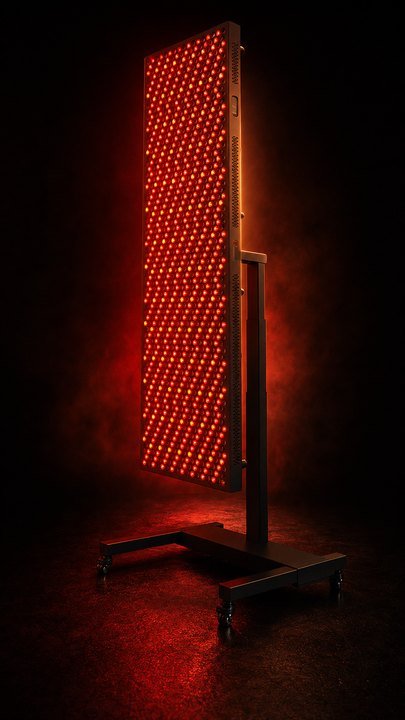
Rinnovare™ Red-Light R-1000 Panel
Full-body coverage in a single session. $9,995.99. Flexible financing available through Brickhouse Capital.
| Specification | Measured |
|---|---|
| Wavelengths | 610 · 630 · 660 · 810 · 830 · 850 · 940 · 1060 nm |
| LEDs | 1,155 single and double-core |
| Lenses | Crystal glass — not plastic |
| Power draw | 1,200 W ±5 W actual · 5,775 W aggregate LED rating |
| Irradiance | > 110 mW/cm² · 90° ±10° beam angle |
| Dimensions | 1,830 × 560 × 65 mm (72″ × 22″ × 2.6″) |
| Weight | 35 kg net / 59 kg packed (77.2 lb net) |
| Controls | TFT touch display + remote · separate zone control · 0–60 min timer · 0–100% stepless dimming · pulse (preset + custom) |
| Electromagnetic field | Below the meter floor at 4″ — see note |
| Power input | 100–240 V AC, 50/60 Hz, US plug |
| Cooling | Active, low-noise |
| Certifications | FCC Part 15 · RoHS · CE |
| In the box | Panel · stand · manual · eye mask · power cord · remote · wall mount |
| Warranty & returns | 12 months from delivery incl. spare parts · 30-day returns — see below |
On the EMF figure
Our measurement reads 0.0 µT at four inches on the instrument used. That is a floor reading rather than a physical zero — any device drawing 1,200 W produces some field. We state it as below the meter's resolution rather than as none, because the second version is not true and is easy to check.
R-100
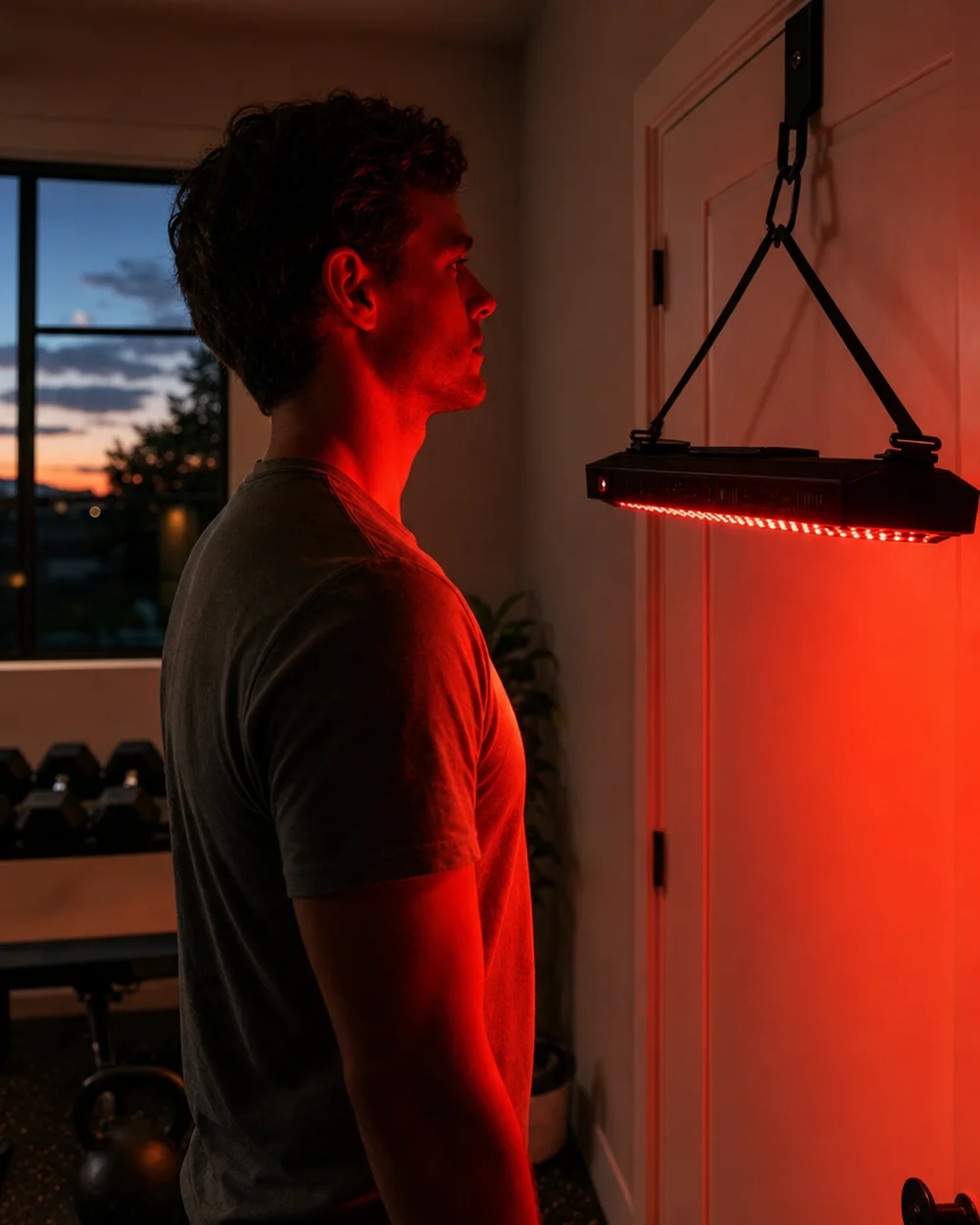
Rinnovare™ Red-Light R-100 Panel
The same eight-wavelength spectrum in a targeted format, for a single area rather than whole-body coverage. $3,995.99.
Choose the R-100 if you are treating one region — a shoulder, a knee, the face — and the R-1000 if you want the whole body in one session. The spectrum is identical; the difference is surface area and LED count.
| Specification | Measured |
|---|---|
| Wavelengths | 610 · 630 · 660 · 810 · 830 · 850 · 940 · 1060 nm |
| LEDs | 300 single and double-core |
| Lenses | Crystal glass — not plastic |
| Power draw | 465 W ±5 W actual · 1,500 W aggregate LED rating |
| Irradiance | > 110 mW/cm² · 90° ±10° beam angle |
| Dimensions | 910 × 305 × 65 mm (35.8″ × 12″ × 2.6″) |
| Weight | 9.6 kg net / 12 kg packed (21.2 lb net) |
| Controls | Touchscreen + remote · 0–60 min timer · 0–100% stepless dimming · pulse (preset + custom) |
| Power input | 100–240 V AC, 50/60 Hz, US plug |
| Cooling | Active, low-noise |
| Certifications | FCC Part 15 · RoHS · CE · manufactured in an FDA-registered establishment (21 CFR Part 807) |
| In the box | Panel · manual · eye mask · power cord · remote · hanging ring · lifting rope · door hook · mounting accessories |
| Warranty & returns | 12 months from delivery incl. spare parts · 30-day returns — see below |
On the R-100 power figure
An earlier version of this page omitted the R-100's power draw because the only figure we had was a copy of the R-1000's. The manufacturer's verified specification sheet now confirms it: 465 W ±5 W actual draw, with a 1,500 W aggregate LED rating.
The mechanism
How light becomes signal.
Photobiomodulation is a photochemical process, not a thermal one. Three steps, and one honest caveat.
Step 01
Absorb
Red and near-infrared photons are absorbed by endogenous photoreceptors in the cell, chief among them mitochondrial cytochrome c oxidase. 1
Step 02
Signal
Activating that enzyme modulates ATP, reactive oxygen species and intracellular calcium, which switches on signalling pathways governing cell proliferation, migration and differentiation. 1
Step 03
Remodel
In human skin specifically, RNA sequencing after red-light phototherapy shows coordinated regulation of extracellular-matrix, proliferation and oxygen-response pathways in dermal fibroblasts. 5
Opsins and cryptochromes in skin act as further photoreceptors alongside cytochrome c oxidase. 2 Nitric oxide signalling is part of the same mechanistic account; in isolated vessels, combined red and near-infrared light increased nitric oxide availability and improved vascular relaxation. 34
What is still argued
Whether cytochrome c oxidase is strictly required is still argued: in cell lines engineered to lack the enzyme entirely, 660 nm light still increased proliferation. 6 Effect depends on treatment parameters — fluence, duration and output power — not on wavelength alone. 1 We state the mechanism as the field states it, including the part that is unsettled.
Skin
What the trials measured on skin.
This is the use most people buy a panel for, so it is the one we are most careful about. The trials below are randomised and controlled; the honest limit is stated underneath them.
A dermatology CME review in the Journal of the American Academy of Dermatology lists skin rejuvenation, wounds, scars, acne, alopecia and ulcers among the conditions photobiomodulation has been used to treat effectively. 7
| Trial | What it measured, and found |
|---|---|
| Wunsch & Matuschka 2014 RCT, n=136 | In a randomised controlled trial of 136 volunteers, 30 sessions significantly improved skin roughness on digital profilometry and dermal collagen density on ultrasound, against an untreated control group. 8 Blinded evaluation of the clinical photographs confirmed significant improvement against control. 8 |
| Park 2025 Multi-centre RCT, sham device | A multi-centre, randomised, double-blind, sham-device-controlled trial of a 630 nm and 850 nm home device reported crow's-feet improvement in 86.2 per cent of participants on independent rating. 9 |
| Mota 2023 RCT | A randomised controlled trial that measured periocular wrinkles by volume found a 31.6 per cent reduction after red light. 10 |
| Bragato 2025 RCT, sham-controlled | A randomised, double-blind, sham-controlled trial found significant reductions in glabellar and periorbital wrinkle length against control. 11 |
| Goldberg 2006 Clinical trial, n=36 | Combined 633 nm and 830 nm LED over five weeks produced significant profilometric wrinkle improvement, with electron microscopy showing thicker collagen fibres. 12 |
| Park 2025 Multi-centre RCT, neck | A multicentre randomised double-blind trial of a home-use LED device for neck wrinkles found significantly more participants improved than in the control group at weeks 8, 12 and 16. 13 |
The honest limit
No meta-analysis pools these wrinkle results. The trials run from 30 to 136 people over 8 to 16 weeks, and each uses a different outcome measure. The direction of effect is consistent across them; the certainty is not high. In the Wunsch trial above, a broad polychromatic spectrum showed no advantage over red light alone. 8
Hair
The best-evidenced cosmetic use.
Hair is the best-evidenced cosmetic use of red light — better evidenced than skin, which is not the order most marketing puts them in.
An umbrella review of meta-analyses of randomised trials graded the hair-density effect in androgenetic alopecia at moderate certainty — one of only five outcomes in the entire photobiomodulation literature to reach that grade. 14 A meta-analysis found hair-density gains against placebo of 1.14 standard deviations under 20 weeks of treatment and 1.44 beyond it. 15 Added to topical minoxidil, low-level laser produced a further gain in hair density and a higher satisfaction rate than minoxidil alone. 16
The other result
A second meta-analysis found no added benefit over minoxidil alone. Both results are in the literature and we are not going to quote only the flattering one. 17
Trials in this area cluster around 650–680 nm. That is where the panel's 660 nm channel sits.
Recovery
Muscle, and where the evidence actually points.
Applied to a specific muscle before exercise, red and near-infrared light improved muscle strength, reduced delayed-onset soreness by about 26 per cent and lowered markers of muscle damage in a meta-analysis. 18 Systematic reviews covering both lasers and LEDs conclude that phototherapy improves muscular performance and speeds recovery, mainly when applied before exercise, across a 655 to 950 nm range. 1920
Treat the muscle, not the room
The only systematic review of whole-body photobiomodulation found no evidence of benefit for exercise recovery or performance. The positive results come from treating one muscle group before exercise, not from whole-body exposure. 21 If recovery is why you bought the panel, work close to the target muscle group before training rather than standing in front of the whole array afterwards.
The literature
Wavelength by wavelength, with the counts.
Counts are human clinical studies naming that wavelength in a structured PubMed search we ran across the field: 1,578 records retrieved, 1,131 of them genuine red or near-infrared photobiomodulation once ablative lasers, intense pulsed light and drug-based photodynamic therapy were removed. They are a floor, not a ceiling — many papers say only “red” or “infrared”. The relative picture is the point.
| Wavelength | Clinical studies | What the literature reports |
|---|---|---|
| 610 nm | 0 | We could not find a single human clinical study naming 610 nm in a search of 1,131 photobiomodulation papers. It completes the visible red band on the panel. That is the reason it is there, and it is the only reason we will give. |
| 630 nm | 25 | Well studied for skin. The sham-controlled crow's-feet trial and the periocular wrinkle-volume trial both used red light in this band. |
| 660 nm | 68 | The most-studied wavelength in the field, and the band the hair-density meta-analyses cluster in. |
| 810 nm | 55 | The most common near-infrared wavelength in clinical trials after 660 nm, used where the target sits below the skin. |
| 830 nm | 30 | Near-infrared. Used with 633 nm in the combined photoaging trial that showed thicker collagen fibres on electron microscopy. |
| 850 nm | 22 | The near-infrared half of the 630/850 nm combination used in the sham-controlled home-device trial. |
| 940 nm | 12 | Thinly evidenced. Twelve clinical studies name it. Cytochrome c oxidase absorbs little here, so the mechanism above is not the same one. We include it; we do not claim it is proven. |
| 1060 nm | 8 | Emerging. Of 31 papers we retrieved naming 1055–1070 nm, 18 were photothermal or ablative laser work that does not transfer to photobiomodulation. Eight were clinical photobiomodulation studies. |
Safety
What is known about tolerability.
Two phase-I randomised controlled trials set a maximum tolerated dose of 320 J/cm² for skin of colour and 480 J/cm² for non-Hispanic Caucasian skin. 22 Adverse events in those trials were mild transient redness and pigmentation, with no serious adverse events; darker skin was the more photosensitive. 22 Redness is the most common cutaneous side effect and is self-limiting. 1
A systematic review of the oncologic safety of light therapy for skin rejuvenation found no clinical-trial data linking it to any significant adverse event, including new or recurrent malignancy. 23
Why the goggles are not optional
Near-infrared is invisible, so brightness tells you nothing about exposure. A 2026 laboratory safety evaluation of red-light instruments designed to be looked into directly found two of them reached published ocular exposure limits within seconds — far inside their own 180-second recommended treatment. 24 Those are instruments you look into, not skin panels, and the finding does not transfer directly — but it is the clearest published demonstration that red light at device-grade output is not automatically safe for the eye.
Using it
Dose is irradiance times time.
More is not better. The dose-response here is biphasic: low levels do more for tissue repair than high levels, and past the optimum the effect falls away. 25 The trial that produced the collagen-density result used about 9 J/cm² per session, twice a week. 8 At this panel's rated output that dose is reached in roughly 80 seconds at close range, so start short and build rather than opening at the top of the timer.
Irradiance falls off sharply with distance: the same timer at twelve inches is a much smaller dose than at six. Published trials report their light parameters incompletely and inaccurately often enough that it is a recognised problem in the field — which is why matching a protocol means matching distance, irradiance and time, not just the wavelength. 26
Limits
What we are not claiming.
These are general wellness devices, not cleared medical devices. We do not claim they treat arthritis, neuropathy, brain injury, depression, or any other condition, and we do not claim fat reduction or body contouring. Those are cleared-device claims and we have not sought clearance.
No trial has compared an eight-wavelength device against a one- or two-wavelength device, and the one trial that tested spectral breadth head-to-head found no advantage for the broader spectrum. 8 A meta-analysis in one clinical setting found no difference between pulsed and continuous-wave delivery. 27 A frequency program does not add, create or deliver any compound — each one is a defined pulsed-light routine named for the compound it nods to.
If you are managing a medical condition, discuss light therapy with your physician before adding it — particularly if you take photosensitising medication or have a retinal condition.
References
Every claim above, sourced.
Each link goes to the abstract at the National Library of Medicine.
- 1. Maghfour 2024, J Am Acad Dermatol — Photobiomodulation CME part I: Overview and mechanism of action. PMID 38309304
- 2. Guo 2025, Photodermatol Photoimmunol Photomed — The Application of Light Emitting Diode (LED) in Cosmetic Dermatology. PMID 40751922
- 3. Junkoski 2025, Lasers Med Sci — Application of photobiomodulation therapy by LED using a combined red and near-infrared light spectrum improves the vascular function of the radial artery in vitro. PMID 41402628
- 4. Shivappa 2025, J Transl Med — From light to healing: photobiomodulation therapy in medical disciplines. PMID 41466382
- 5. Austin 2021, Sci Rep — Transcriptome analysis of human dermal fibroblasts following red light phototherapy. PMID 33795767
- 6. Lima 2019, J Photochem Photobiol B — Photobiomodulation enhancement of cell proliferation at 660 nm does not require cytochrome c oxidase. PMID 30927704
- 7. Mineroff 2024, J Am Acad Dermatol — Photobiomodulation CME part II: Clinical applications in dermatology. PMID 38307144
- 8. Wunsch 2014, Photomed Laser Surg — A controlled trial to determine the efficacy of red and near-infrared light treatment in patient satisfaction, reduction of fine lines, wrinkles, skin roughness, and intradermal collagen density increase. PMID 24286286
- 9. Park 2025, Medicine (Baltimore) — Clinical study to evaluate the efficacy and safety of home-used LED and IRED mask for crow's feet: A multi-center, randomized, double-blind, sham-controlled study. PMID 39960921
- 10. Mota 2023, Photobiomodul Photomed Laser Surg — Photobiomodulation Reduces Periocular Wrinkle Volume by 30%: A Randomized Controlled Trial. PMID 36780572
- 11. Bragato 2025, Lasers Med Sci — Role of photobiomodulation application frequency in facial rejuvenation: randomized, sham-controlled, double-blind, clinical trial. PMID 40167796
- 12. Goldberg 2006, J Drugs Dermatol — Combined 633-nm and 830-nm led treatment of photoaging skin. PMID 16989189
- 13. Park 2025, J Cosmet Dermatol — Efficacy and Safety of a Home-Use Light-Emitting Diode Neck Device for Improvement in Neck Wrinkles: A Multicenter, Randomized, Double-Blind, Sham Device, Superiority Verification, Confirmatory Clinical Trial. PMID 39319750
- 14. Son 2025, Syst Rev — Effects of photobiomodulation on multiple health outcomes: an umbrella review of randomized clinical trials. PMID 40770824
- 15. Perez 2025, Dermatol Surg — Low-Level Laser and LED Therapy in Alopecia: A Systematic Review and Meta-Analysis. PMID 39404126
- 16. Mawu 2025, Lasers Med Sci — Comparative efficacy and safety of low-level laser therapy and topical Minoxidil combination vs. topical Minoxidil monotherapy in androgenetic alopecia management: a systematic review and meta-analysis of randomized controlled trials. PMID 40826200
- 17. Alosaimi 2025, J Dermatolog Treat — Comparative efficacy of minoxidil alone versus minoxidil combined with low-level laser therapy in the treatment of androgenic alopecia: a systematic review and meta-analysis. PMID 39828269
- 18. Ferlito 2022, Lasers Med Sci — Comparison between cryotherapy and photobiomodulation in muscle recovery: a systematic review and meta-analysis. PMID 34669081
- 19. Leal-Junior 2015, Lasers Med Sci — Effect of phototherapy (low-level laser therapy and light-emitting diode therapy) on exercise performance and markers of exercise recovery: a systematic review with meta-analysis. PMID 24249354
- 20. Vanin 2018, Lasers Med Sci — Photobiomodulation therapy for the improvement of muscular performance and reduction of muscular fatigue associated with exercise in healthy people: a systematic review and meta-analysis. PMID 29090398
- 21. Álvarez-Martínez 2025, Lasers Med Sci — A systematic review on whole-body photobiomodulation for exercise performance and recovery. PMID 39883205
- 22. Jagdeo 2020, J Biophotonics — Safety of light emitting diode-red light on human skin: Two randomized controlled trials. PMID 31483941
- 23. Glass 2023, Aesthet Surg J — Photobiomodulation: A Systematic Review of the Oncologic Safety of Low-Level Light Therapy for Aesthetic Skin Rejuvenation. PMID 36722207
- 24. Ostrin 2026, JAMA Ophthalmol — Safety Evaluation of 4 Red Light Therapy Devices for Myopia. PMID 41642586
- 25. Huang 2009, Dose Response — Biphasic dose response in low level light therapy. PMID 20011653
- 26. Hadis 2016, Lasers Med Sci — The dark art of light measurement: accurate radiometry for low-level light therapy. PMID 26964800
- 27. Stevens 2023, J Neurotrauma — Photobiomodulation in Acute Traumatic Brain Injury: A Systematic Review and Meta-Analysis. PMID 35698294
The dossier
Every claim, traced to its abstract.
The copy on this page was written against a structured review of the photobiomodulation literature: 33 PubMed queries, 1,578 records retrieved, 1,131 confirmed red or near-infrared photobiomodulation, 654 of them human clinical studies — 103 meta-analyses, 104 systematic reviews and 4 guideline documents among them. The review graded what the evidence supports and what it does not, checked every citation previously on this page against its source, and replaced the ones that did not hold.
Download or read
Download the dossier · PDF, 1.4 MB
Open the dossier in your browser
Evidence review by indication, page-ready copy, and a claim-by-claim substantiation table: 27 claim sentences, each paired with the verbatim sentence from the source abstract at PubMed that supports it. Compiled 11 September 2026.
The math
"$4,000 for LEDs?" — do the per-session math.
Clinic photobiomodulation sessions run $55–99 each in US med-spas. At three sessions a week, the R-1000 breaks even against clinic visits inside a year — then keeps costing ~$64 a session in year one and pennies after, for a full-body session at home. The R-100 lands near $26 a session and covers a face plus a target area.
| Scenario | Break even vs clinic | Cost/session after 1 year* |
|---|---|---|
| R-100 · $3,995.99 · 3×/week | ~3–5 months | ≈ $25.60 |
| R-1000 · $9,995.99 · 3×/week | ~8–14 months | ≈ $64.07 |
| Clinic visits only | never | $55–99 forever |
*156 sessions/year, device cost only. Electricity is cents per session. The honest limit: the math assumes you keep the habit — buy for the routine you'll actually keep. Full comparison including wands: wand vs panel — the honest comparison.
Expectations
What timeline the trials actually ran on.
We'd rather set the calendar honestly than sell a miracle. The skin trials behind this page ran 8–16 weeks at two to three sessions a week before measuring. Hair-density trials ran 20+ weeks. Anyone of any brand promising visible change in days is ahead of the evidence — that's not a competitor jab, it's what the published schedules say. Start short, keep the routine, judge on the trial timescale.
Trial durations are cited alongside each result in the literature section above — the Wunsch skin trial (30 sessions over ~12 weeks), the crow's-feet device trials (8–16 weeks), and the hair meta-analyses (20+ weeks).
Ownership
Warranty & returns.
Warranty
12 months
12 months from delivery, including free spare-part support. If a component fails in normal use, we ship the replacement part — no charge.
Returns
30 days
Unopened units can be returned within 30 days of delivery. Opened units cannot be accepted for return, for hygiene and electrical-safety reasons.
Support
Real people
Questions on setup, programs or positioning: support@rinnovarelabs.com or (800) 722-3870.